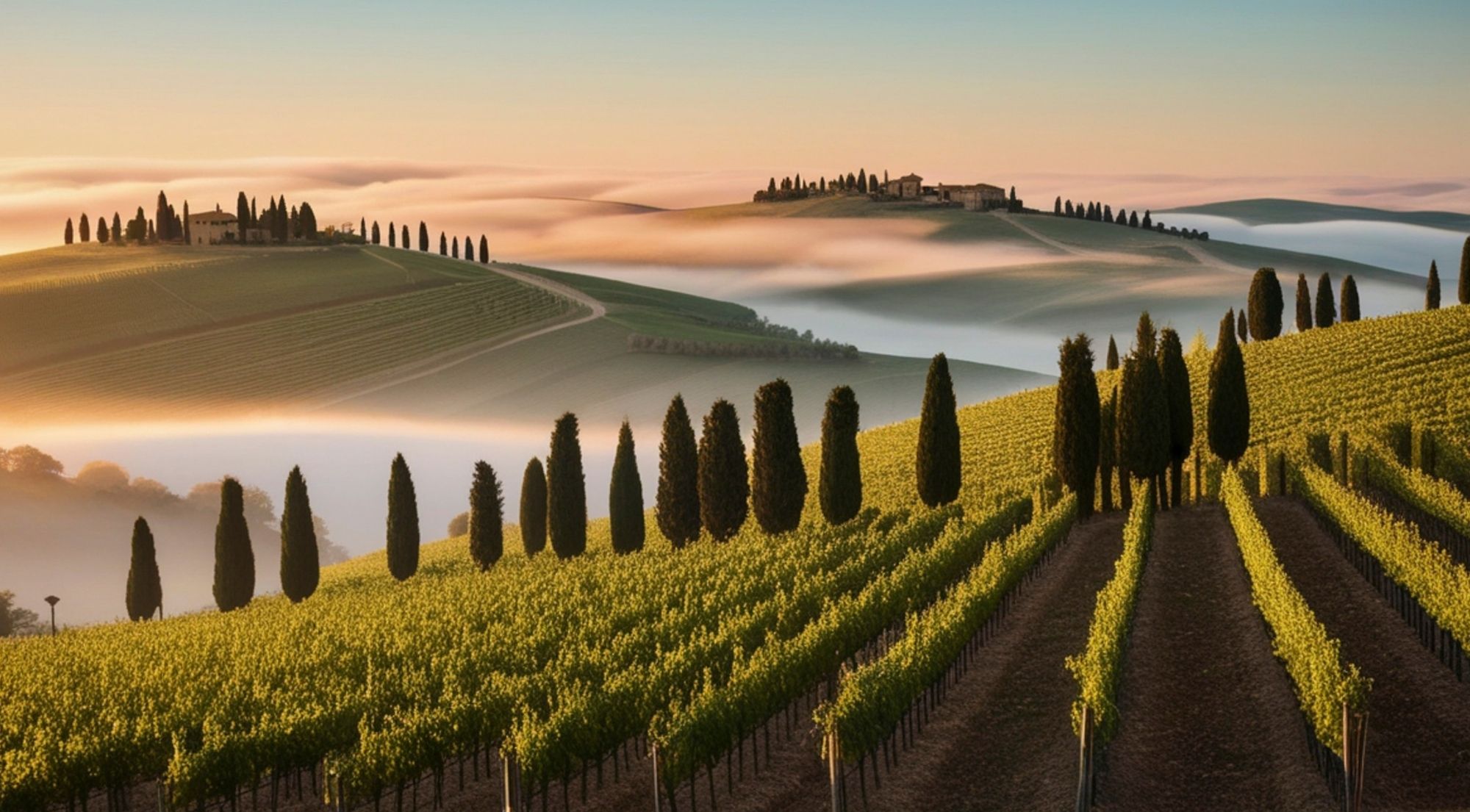
Short answer: yes, a Tuscany wine tour from Florence is absolutely worth it. The Chianti Classico heartland starts just 30 km south of the city (a 45-minute drive), and a single day delivers cypress-lined roads, working Sangiovese estates, a proper Tuscan farmhouse lunch, and at least one medieval hilltop village. The key is picking the right tour format for your group — budget half-day bus (from $55 pp), full-day grand-tour coach ($110–$175 pp), or small-group minivan ($105–$180 pp). Read on for the breakdown.
Key takeaways at a glance
Distance from Florence
Greve in Chianti: 32 km / ~45 min by car
Best time to go
April–June or mid-Sept–October (harvest season)
Wine tasting cost
€15–€60 pp at individual estates
Tour types
Half-day bus · Full-day coach · Small-group · Private
The wine
Chianti Classico DOCG — Sangiovese-led, look for the Black Rooster seal
Book in advance?
Always. Most estates are appointment-only May–October.
Worth adding to your itinerary
This review covers a Chianti day, but it's one of five Tuscan wine regions to explore — Brunello di Montalcino, Montepulciano's Vino Nobile, San Gimignano's white Vernaccia, and the coastal Bolgheri Super Tuscans among them. The widget below surfaces live availability for related Chianti and Tuscany wine experiences.
What you're actually buying
Every Tuscany wine tour listing sells the same picture: cypress-lined roads, a family cellar, a long lunch under a pergola. The photographs are broadly honest — the Chianti Classico heartland really does start 30 km south of Florence, and it really does look like that. What the listings don't make obvious is how differently that day plays out at $55, at $105 and at $650, and which of those differences you'll actually notice.
So we did the boring work instead. We read the published itineraries for the most-booked Chianti departures from Florence, counted what each one includes, and cross-checked those promises against what verified reviewers say happened on the day. This page walks through the shape of a Chianti day hour by hour, then breaks down what each price tier adds, what goes wrong most often on the cheap coaches, and who should book which format.
📋 How we researched this review
This is a desk analysis, not a first-hand trip report. Nobody from this site took the tours described here. What we did instead: read the published itineraries and inclusion lists for the most-booked Chianti and Tuscany wine departures from Florence, recorded their 2026 prices, durations and group caps, and read through the verified traveller reviews attached to each listing — including the critical ones — to find where the published promise and the reported experience diverge. Winery details come from the estates' own visitor information. Prices were last checked in August 2026 and move with season and demand; treat them as a guide, not a quote.
What a day in Chianti actually contains — hour by hour
Small-group Chianti departures from Florence follow a remarkably consistent arc. The times below are the published schedule shared by most operators in this tier; the detail comes from their itineraries and from what reviewers consistently describe.
8:30 a.m.. Florence departure
Pickup is central, not usually at your door
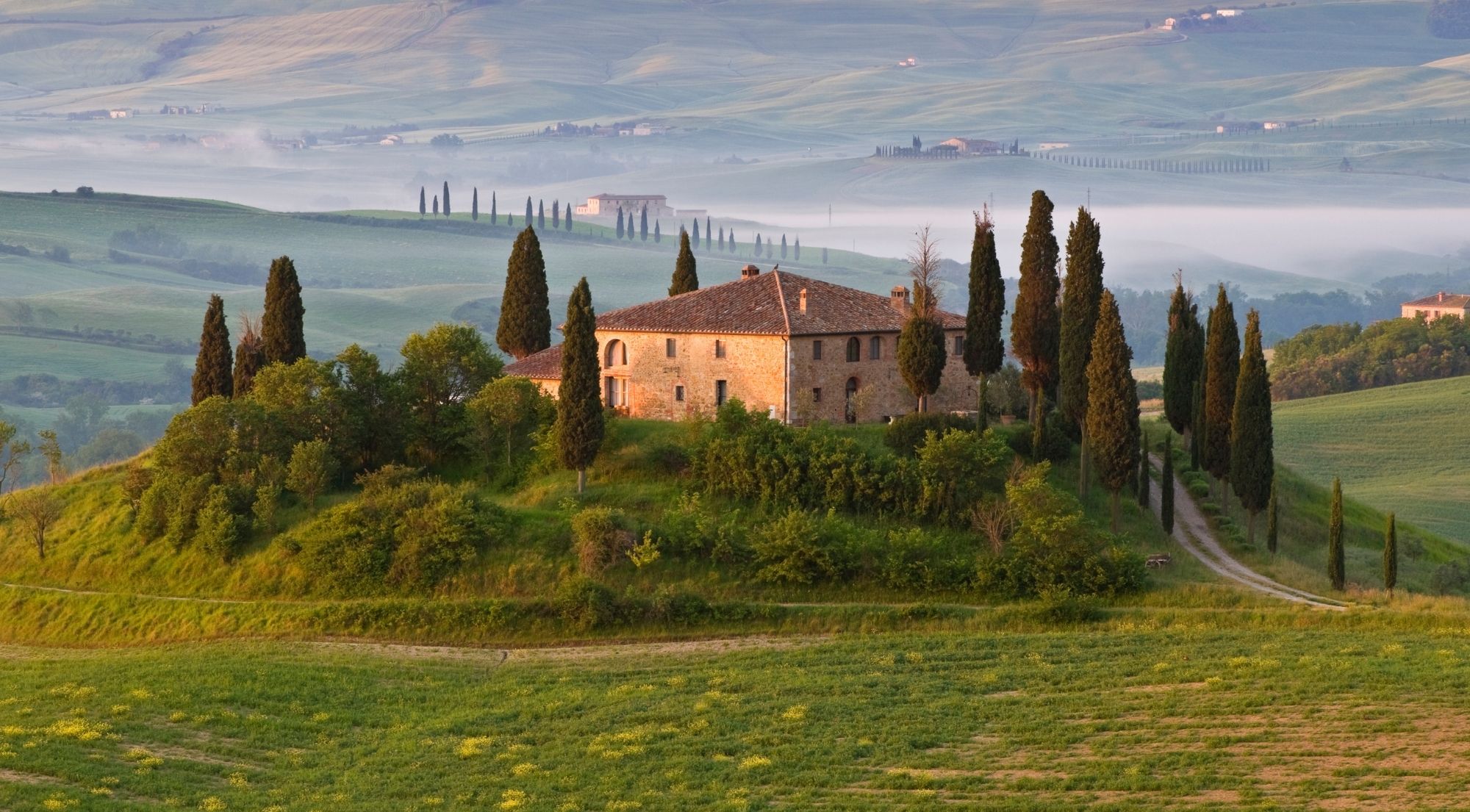
Small-group operators collect near Piazza della Repubblica or Santa Maria Novella station, typically in an air-conditioned eight-seat minivan. Only the private tier reliably picks up at your hotel — a distinction to check before booking, since "Florence pickup" on a coach listing often means a bus terminus a 15-minute walk from the centre. The route south is the SR222 Chiantigiana, the ridge road that runs through the heart of the Chianti Classico zone, and good guides use the drive to explain the galestro and alberese soils that shape how Sangiovese tastes here.
9:30 a.m. — First winery, Greve area
A family cellar, a vineyard walk, three wines
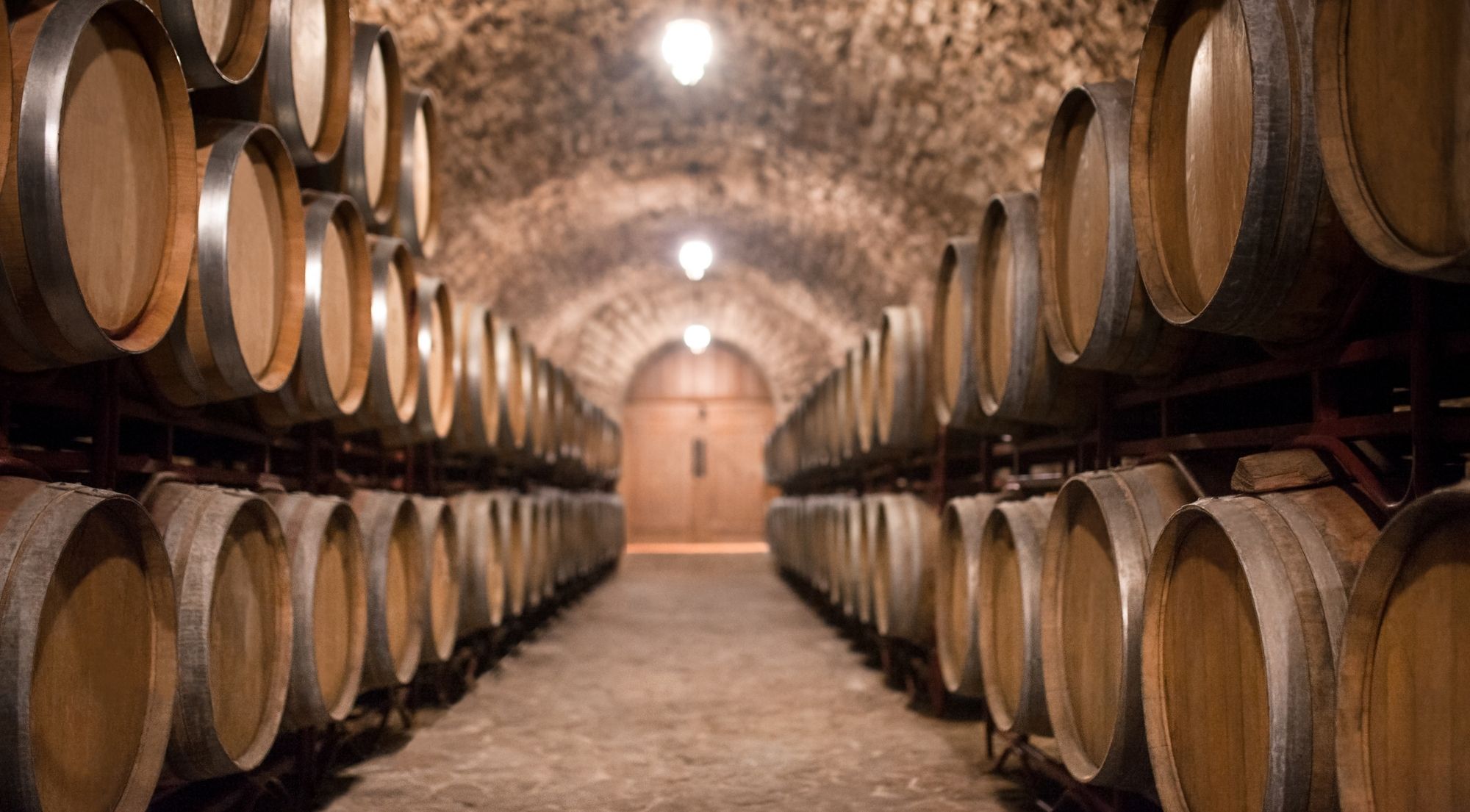
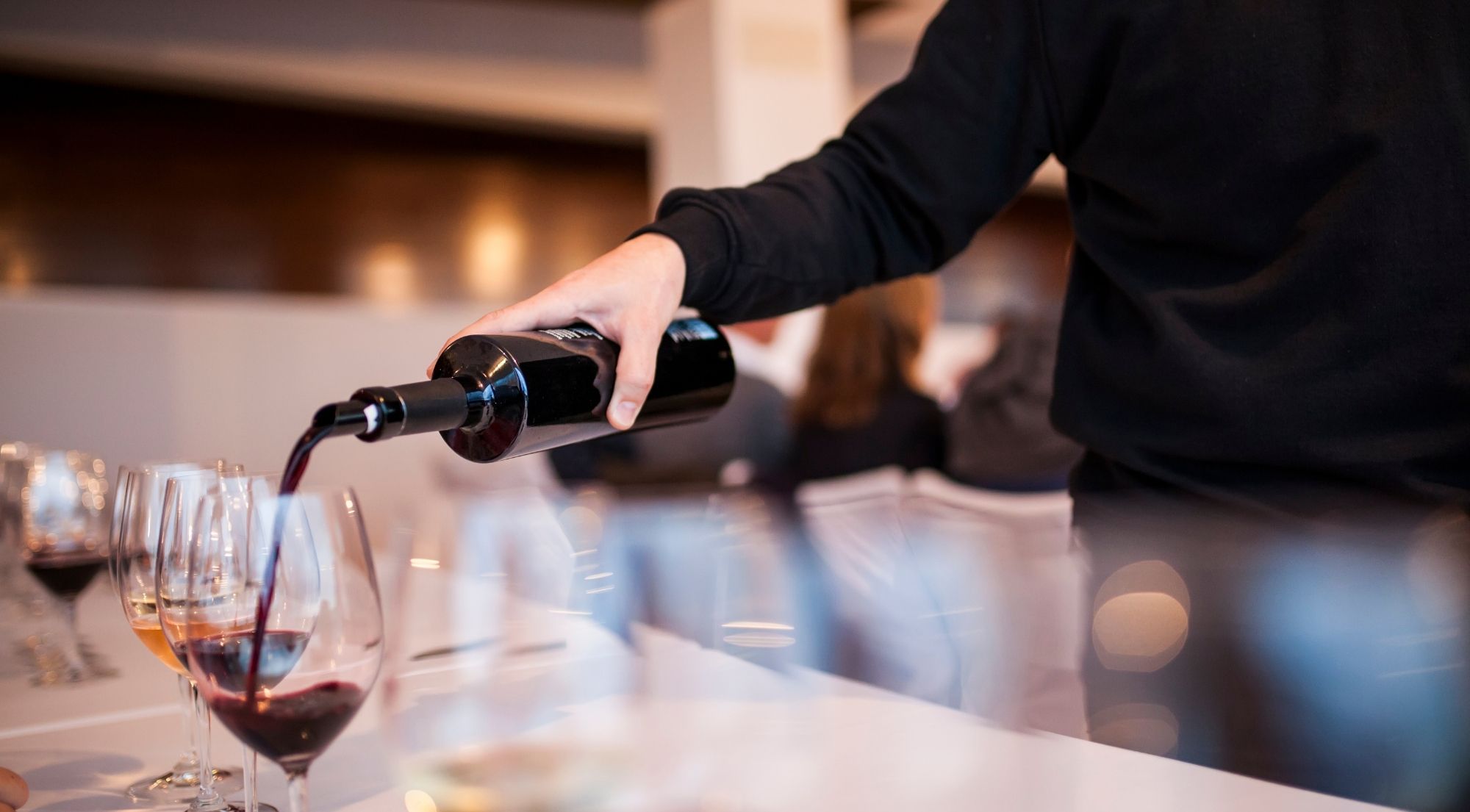
The first stop is usually a working family estate. The standard format is a walk through the vines, then a cellar visit — these rooms sit at around 13 °C year-round, so most visitors want a layer — followed by a seated tasting of three wines. A typical flight runs Chianti Classico Annata, a Riserva, and a Gran Selezione, the top tier of the appellation, often alongside the estate's own olive oil. This is the part of the day that separates the tiers most sharply: reviewers on small-group tours describe unhurried tastings with the owner pouring, while coach-tour reviewers frequently report a rushed 40 minutes in a room shared with another group.
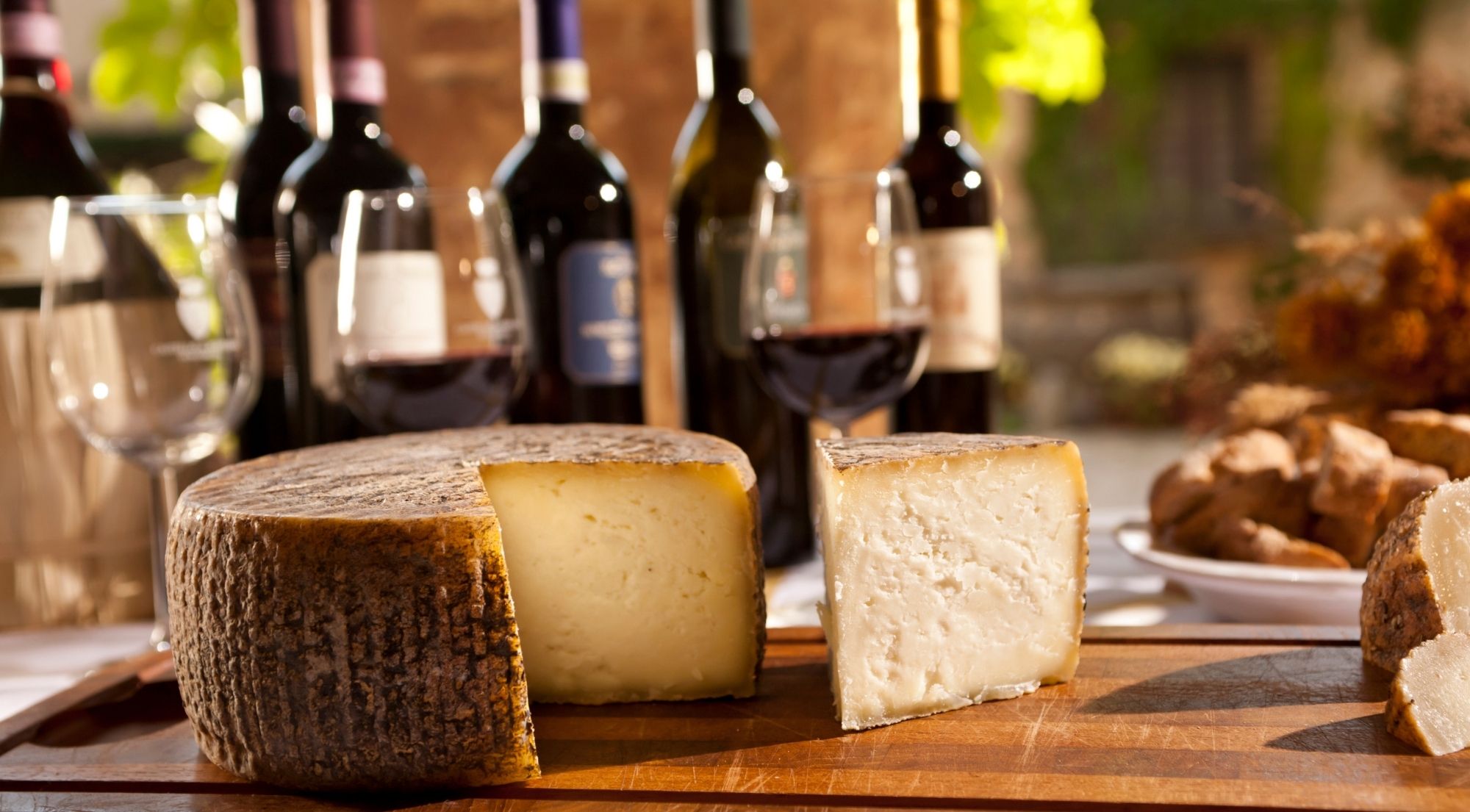
"We visited 2 lovely vineyards where we were made very welcome and given tasting of lovely Chianti, olive oil, truffle oil and 20 year old balsamic vinegar. All with nibbles. A great afternoon out."
— Shirley, verified GetYourGuide reviewer, March 2026
11:30 a.m. — Montefioralle village
The walled hamlet above Greve — 20 minutes, and that's the point
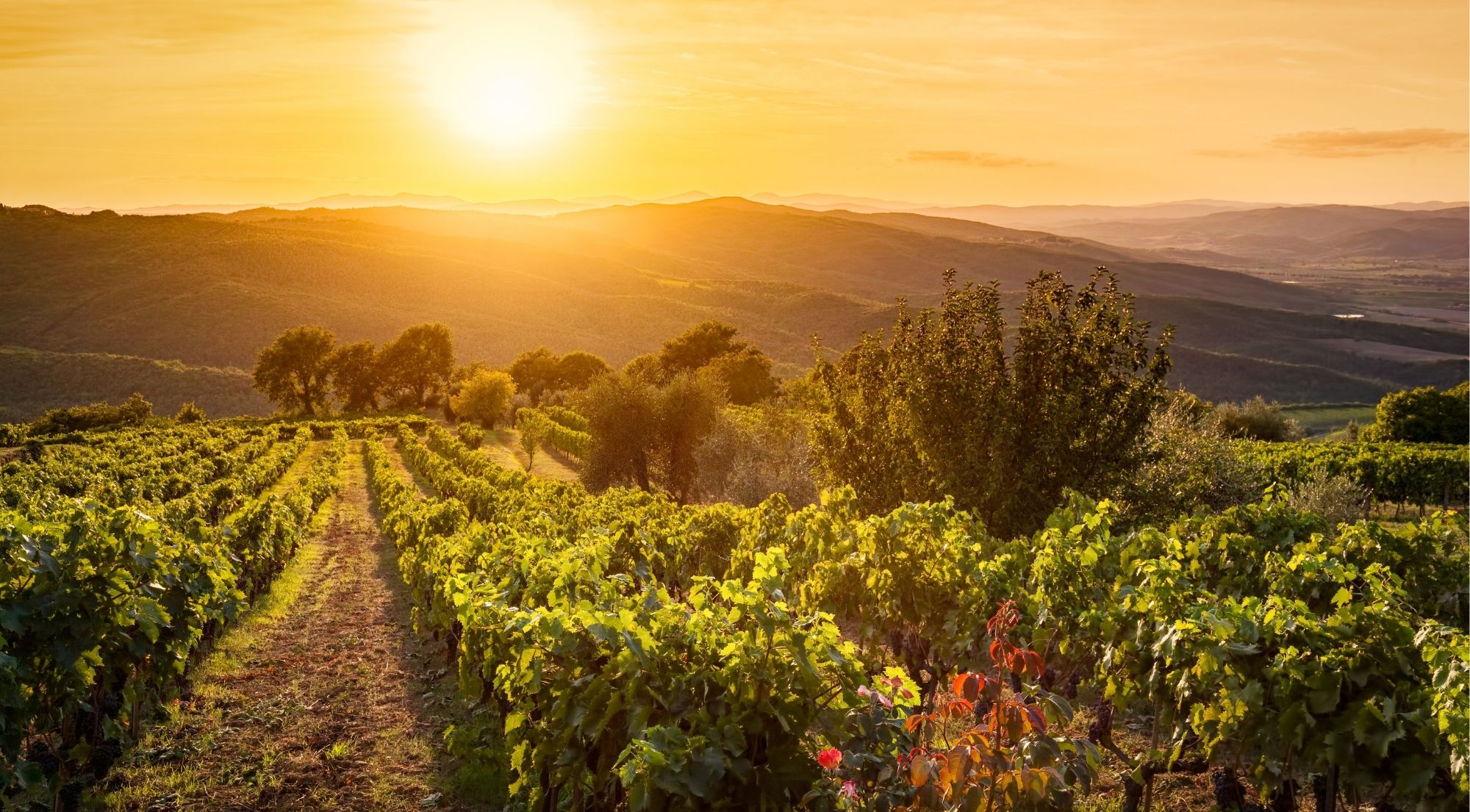
Most small-group itineraries include one village stop, and Montefioralle is the common choice: a tiny circular hamlet of stone houses, arch-framed views and the 11th-century church of Santo Stefano, ringed by working vineyards. From the village wall the Chianti Classico zone rolls out below for some 40 kilometres. Note the scheduling reality. This stop is typically 20 to 30 minutes, which is enough for the view and a walk around the ring road, and not enough for lunch or serious shopping. There's a small enoteca inside the walls pouring local wines by the glass for €4–6 if you want one.
1:00 p.m. — Lunch at the second estate
The meal is where the price difference shows up
This is the single biggest divider between tiers. On a small-group tour, lunch at a Chianti winery is a seated multi-course meal running 90 minutes to two hours — the recurring menu across operator listings is bruschette with the estate's oil, hand-rolled pici with wild boar ragù, a roast meat course, Pienza pecorino with chestnut honey, and cantucci with Vin Santo, each course poured with a matched wine. On budget half-day coaches there is usually no lunch at all: the inclusion reads "light snacks" or "bread, cheese and salami with the tasting", which is accurate but catches people out. If a proper sit-down lunch matters to you, read the inclusion list rather than the photographs.
3:30 p.m. — Third winery, Castellina area
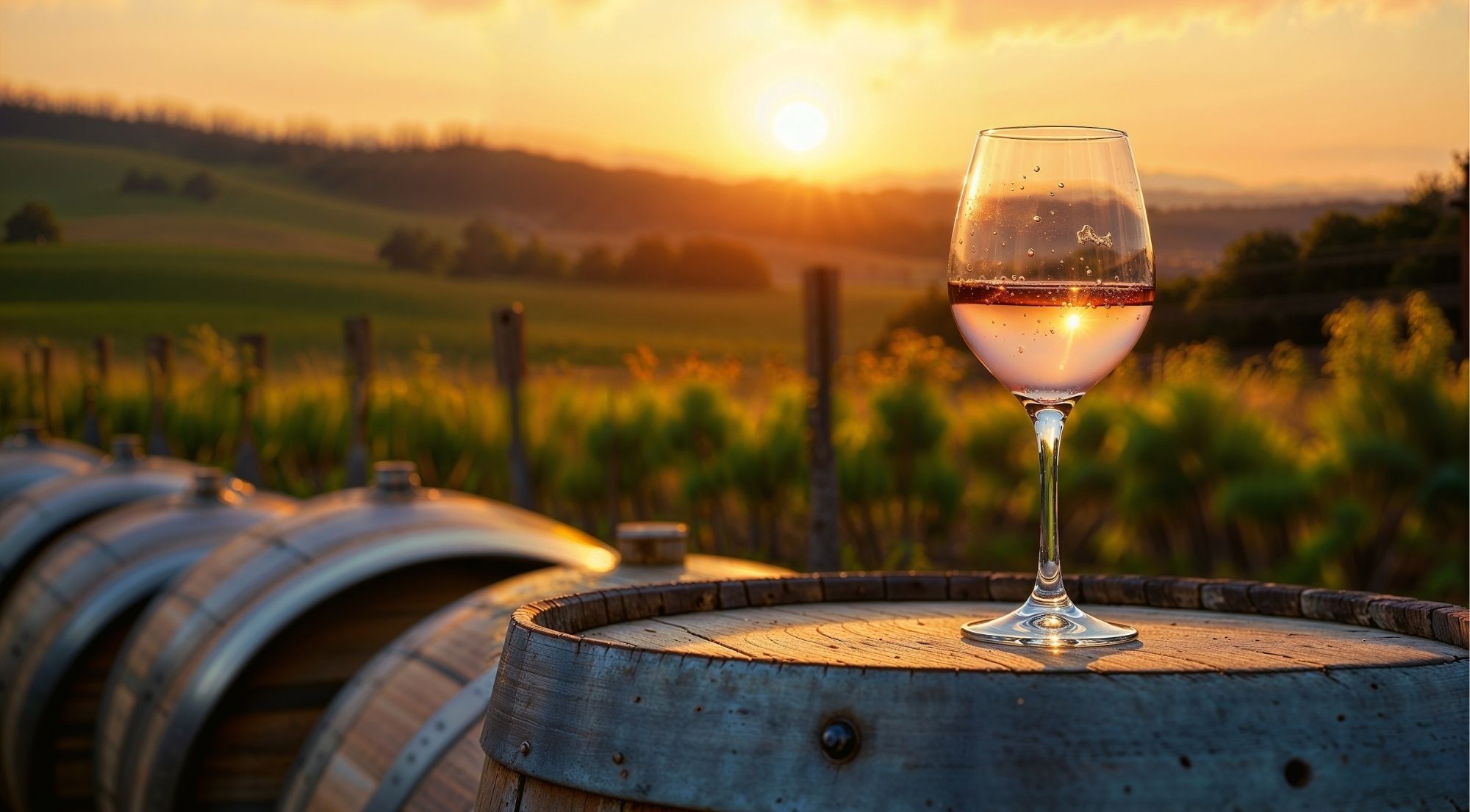
A terrace, a panorama, and a final glass of Vin Santo
Tours in this tier usually finish at a second or third estate, often chosen for a ridge-top terrace looking south toward the Sienese hills. The afternoon tasting tends to be the more technical one — several operators describe pouring single-vineyard parcels side by side, so you can taste what a north-facing versus south-facing slope does to the same Sangiovese. Expect it to close with Vin Santo and cantuccini, which is the traditional end to a Tuscan table. Note that a third winery is a small-group and private feature; half-day coach tours stop at two, and full-day grand tours usually stop at one because the day is shared with Siena and San Gimignano.
5:30 p.m. — Return to Florence
Back in Florence — and the Piazzale Michelangelo question
Return to central Florence is normally between 5:30 and 6:30 p.m. Some small-group and private drivers add a 10-minute stop at Piazzale Michelangelo for the city panorama — the cathedral dome, the Arno, the Fiesole hills behind. It is a genuinely good end to the day, but it is a driver's courtesy rather than a contractual inclusion: it appears in plenty of reviews and in almost no itineraries, so don't book on the strength of it. If it matters, ask the operator before you reserve.
Which type of Tuscany wine tour is right for you?
Not all Tuscany wine tours from Florence are the same. The format you choose shapes the experience completely. Here's the breakdown:
| Tour type | Price pp | Group | What you get | Best for |
|---|---|---|---|---|
| Half-day coach5–6 hrs | $55–$65 | 25–50 pax | 2 wineries, 3–4 wines each, bread/cheese pairing, no lunch | Budget First-timers, solo travellers |
| Full-day grand tour11–12 hrs | $110–$175 | 25–50 pax | 1 winery lunch + Siena + San Gimignano + Pisa. Wide but shallow. | One-day Tuscany "greatest hits" |
| Small-group minivan8–10 hrs | $105–$180 | Max 8 pax | 2–3 wineries, cellar tours, Tuscan lunch with pairings, 1 village | Our pick Couples, serious wine lovers |
| Private driver-guide8–10 hrs | from $650 per group | 1–7 pax | Full itinerary control. Access to flagship estates. Premium cellars. | Groups of 4+, special occasions, repeat visitors |
Our recommendation: the small-group minivan tour
A note on currency: tour prices here are the USD prices shown when booking online, checked August 2026. Costs you pay on the ground in Italy — winery tasting fees, bottles, bus fares, drivers hired direct — are quoted in euros, because that is what you will actually be charged.
For most travellers, the small-group minivan tour at $105–$180 per person is the ideal format. You get real cellar access, a knowledgeable guide who can field questions, an unhurried farmhouse lunch, and a maximum of eight people rather than a coach full of strangers. The price difference over a cheap coach tour gets you a different experience — not just more wine, but deeper contact with the people who make it.
If there are four or more of you, run the maths on a private driver: at around $650 per group, that's roughly $160 each — close to the top of the small-group range, with every stop chosen by you and access to estates that don't accept shared tours. At six people it drops near $110 each, which undercuts most small-group tickets outright.
💡 Before you book
- Book at least 2–4 weeks ahead in May–October. The best Chianti wineries fill up months in advance.
- Check the tasting fee policy. Many estates refund or waive tasting fees if you buy 2+ bottles. Ask when booking.
- Confirm pickup location. Many tours use bus terminus stops, not your hotel door. Confirm in writing.
- Designate a driver if self-driving. Italian DUI limits are strict (0.5 g/L), and the Chiantigiana road is winding.
- Avoid cheap afternoon-only tastings. The best estates reserve morning slots for cellar tours; afternoon tastings are often rushed pour-and-buy sessions.
What wine is Tuscany actually known for?
Tuscany produces more DOC and DOCG wine than any other Italian region. But the wines to look for on a tour break down into four families:
Chianti Classico DOCG, the wine you came for
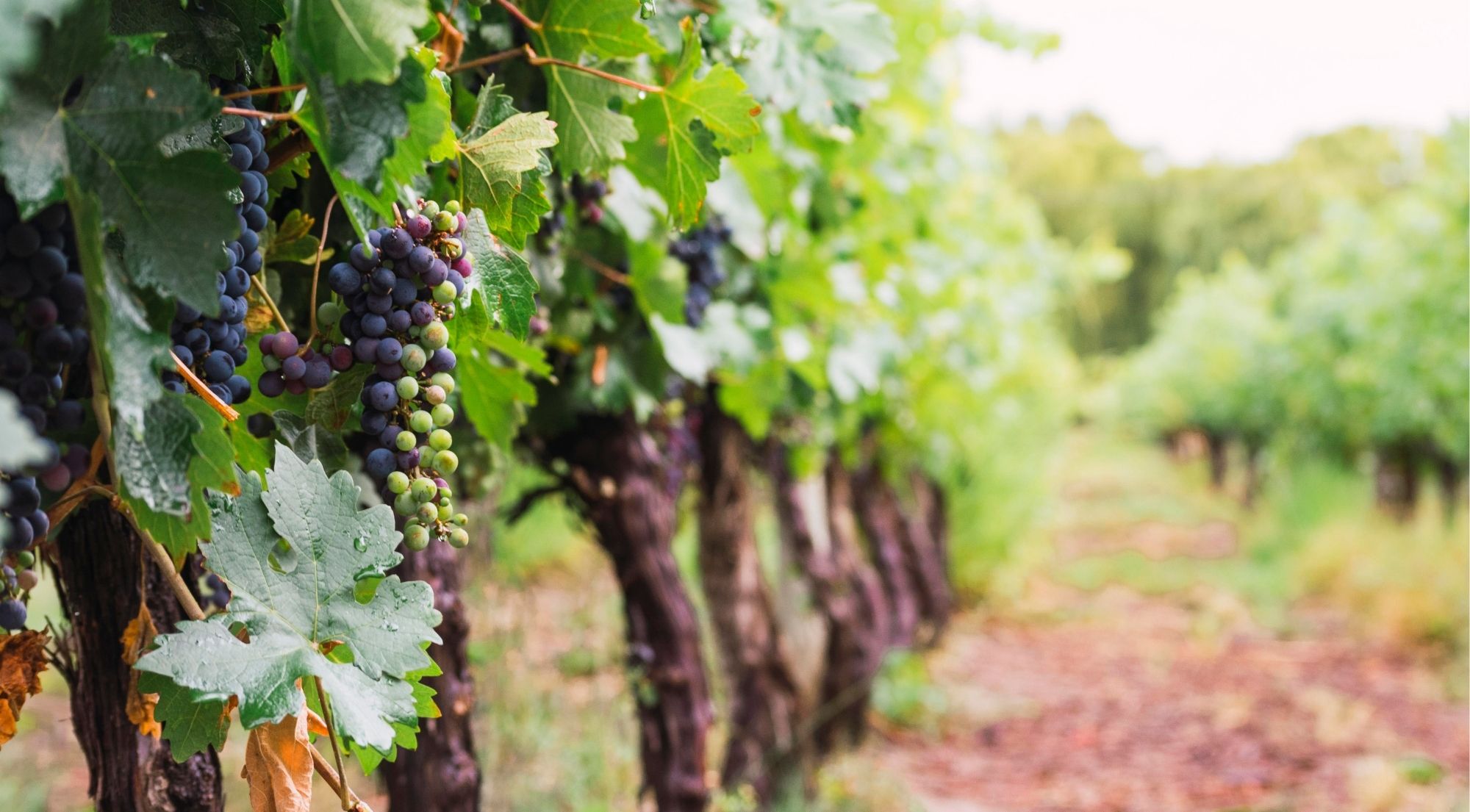
The heartland. Produced only in the historic zone between Florence and Siena, from a minimum of 80% Sangiovese, Chianti Classico is Italy's most recognised fine red wine appellation. Look for the Black Rooster (Gallo Nero) seal on the bottle neck — it signals the real thing, not generic "Chianti" from a wider area. The three tiers are: Annata (bright, food-friendly, drink young); Riserva (24 months minimum ageing, more complexity); and Gran Selezione (30 months+, single-vineyard, Tuscany's answer to a Grand Cru). Flavours to expect: sour cherry, violet, dried herbs, tobacco; firm acidity; long, grippy finish.
Brunello di Montalcino DOCG — Italy's most prestigious red
A full 109 km south of Florence, Brunello is 100% Sangiovese — specifically the local Brunello clone (Sangiovese Grosso) — aged a minimum of four years before release, two of them in oak. It cannot be sold until January of the fifth year after harvest. In the glass: blackberry, black cherry, violet, leather, chocolate, and a finish that lasts minutes rather than seconds. Retail bottles start around €40; top producers like Biondi-Santi or Casanova di Neri run €100–€300+.
Vino Nobile di Montepulciano DOCG — the quiet aristocrat
The first Italian wine ever awarded DOCG status (1980), Vino Nobile is made from a minimum 70% Sangiovese (locally called Prugnolo Gentile) in the hilltop town of Montepulciano, about 120 km southeast of Florence. Aged two years minimum (three for Riserva), it sits stylistically between Chianti Classico and Brunello — more structured than the former, more floral and approachable than the latter.
Super Tuscans (Bolgheri) — the rebels that changed everything
In 1968, a Tuscan nobleman named Mario Incisa della Rocchetta released the first commercial vintage of Sassicaia — a Cabernet Sauvignon/Cabernet Franc blend so unlike traditional Tuscan wine it had to be labelled as humble Vino da Tavola. After winning an international blind tasting in 1978 and receiving Robert Parker's first-ever 100-point score for an Italian wine, "Super Tuscan" became a global category. The coastal Bolgheri DOC — about 90 km southwest of Florence — is home to Sassicaia, Ornellaia, Masseto, and Guado al Tasso.
🍾 Good to know: Brunello vs Rosso di Montalcino
Brunello di Montalcino and Rosso di Montalcino are made from the same grapes in the same vineyards. The difference is entirely in the ageing. Brunello ages 4 years minimum; Rosso ages just 12 months. Think of Rosso as Brunello's "younger sibling" — same family, less formality, more affordable, drink it sooner.
The best wineries to visit in Chianti from Florence
Ask for these by name when booking a private or custom tour. All require pre-booked appointments.
Antinori nel Chianti Classico
San Casciano · ~20 km from Florence
A 600-year family dynasty in a spectacular subterranean winery. Three experience tiers: Tinaia (€50), Bottaia (€75), CRU with lunch (€190). Architecture-minded travellers love it.
Castello di Brolio / Barone Ricasoli
Gaiole in Chianti · ~70 km
The oldest winery in Italy, Bettino Ricasoli defined the modern Chianti formula here in 1872. Castle gardens, museum, panoramic walks, and outstanding Riserva and Gran Selezione.
Badia a Coltibuono
Gaiole in Chianti · ~65 km
An 11th-century Vallombrosan abbey with Lorenza de' Medici's famous cooking school, restaurant, and one of Chianti's most consistently praised Riservas. Cellar tour + four-wine tasting: €30–€40.
Vignamaggio
Greve in Chianti · ~32 km
A Renaissance villa with formal Italian gardens, allegedly the birthplace of the Mona Lisa's model. Kenneth Branagh filmed Much Ado About Nothing here. Tasting from €25; lunch €59–€69.
Montefioralle Winery
Greve in Chianti · ~32 km
A tiny family-run estate under the walled medieval hamlet of Montefioralle. The most intimate cellar experience in Chianti — one family, a handful of rows, completely honest wine. €37–€40 pp.
Querciabella
Greve in Chianti · ~36 km
Biodynamic pioneer in Chianti Classico, producing some of the appellation's most precise, mineral-driven Sangioveses. Also makes Camartina (a legendary Super Tuscan).
Is a Tuscany wine tour worth it? The honest answer.
We're asked this constantly. Short answer: yes, for most travellers. But you should know what you're signing up for.
Why it's worth it
- You taste Chianti Classico, Vernaccia, Vin Santo — and learn why they taste the way they do — at the source.
- A guided tour absorbs all logistical pain: no rental car, no ZTL fines, no Google Maps anxiety on single-track roads.
- Tuscan winery lunches are consistently the best meal most visitors eat in Italy.
- The scenery — the cypress trees, the stone farmhouses, the vine-covered hillsides — genuinely looks like a Renaissance painting.
- Small-group and private tours put you in direct contact with producers who aren't performing for cameras.
- You come home understanding Italian wine. That changes what you order in restaurants for the rest of your life.
Be aware of
- Big coach tours (50 passengers) can feel rushed: 40 minutes per cellar, herded back to the bus.
- Tasting in Italy is more formal than in California wine country — no lawn games or all-day grazing.
- Flagship estates (Antinori) can feel corporate at busy periods. Smaller producers often deliver more warmth.
- Lunch at premium estates adds real cost: Antinori's CRU lunch is €190 pp; Vignamaggio's lunch experience €59–€69.
- Most estates are appointment-only. Drop-in tastings at named producers will get you turned away.
- July–August heat inland (35 °C+) is punishing; cellars are wonderful, but the vineyard walk is brutal mid-afternoon.
Who should skip it
Strict teetotalers (the food and scenery alone don't justify the full-day cost compared to a self-guided hill-town tour). Families with very young children who need play spaces. Travellers with only a half-day and a museum queue already booked.
Who should absolutely book it
Any wine lover, at any level of knowledge, beginner to advanced. Couples on a honeymoon or anniversary. Anyone who needs a day out of Florence (museum fatigue is real). Food travellers. Anyone who has ever wondered what "Chianti" actually tastes like on the land it comes from.
How to read a Tuscany operator's reviews
Most people arrive at a page like this having already found an operator and typed its name plus the word reviews. The useful answer is not our opinion of that company — we have not taken their tour, and we are not going to pretend otherwise. The useful answer is how to tell whether the number you are looking at is about the tour you are about to book.
Three checks, in the order they catch things. All three come from listings we checked on 12 September 2026.
- Is the review count about this tour, or the whole company? This is the one that catches most people. A booking page can show the operator's pooled total across every tour they run, and a brand-new listing then inherits a decade of someone else's reviews. One tour we track displays a total in the tens of thousands while the activity itself has two reviews of its own. If a small operator's listing shows an implausibly large number, that is usually what you are seeing.
- How many reviews, not just how many stars. A 5.0 is meaningless at low volume. Among the Tuscany tours we checked, one carries a perfect 5.0 built on a single review, and another sits at 3.18 on nine. Neither figure tells you anything reliable. We do not put a tour in front of readers on this site until it has around fifty reviews of its own, and you can apply the same floor yourself.
- Read the two- and three-star reviews, not the one-stars. One-star reviews are usually about something that went wrong once — a missed pickup, weather, an illness. The middle band is where the pattern lives: the stop that is always rushed, the lunch that is not what the photo showed, the group size that is bigger than advertised. If the middle band keeps naming the same stop, believe it.
Two things this does not tell you. Review counts move, so anything quoted anywhere — including here — is a snapshot with a date on it. And a small operator with few reviews is not a bad operator; it is an unproven one, which is a different thing and sometimes worth the risk for a private day out. What you should not do is read a thin number as a strong one.
Figures checked on 12 September 2026 against each activity's own review record rather than the total shown on its page. We do not reproduce other sites' star ratings in this page's structured data.
Practical details — everything you need to know before you go
Best time of year
Late April–June is the most beautiful window: emerald hillsides, wildflowers between the vines, pleasant 18–24 °C temperatures, and the quietest cellar calendars of the year. Mid-September through October is the most atmospheric: the vendemmia (harvest) is underway, cellars smell of fermenting grapes, and many estates run Cantine Aperte open days.
Avoid July–August (extreme heat, peak crowds, many family estates closed in mid-August), and December–February (many cellars reduce hours).
What to wear
- Closed, grippy shoes. Vineyard paths are gravel; cellar floors are wet, cold, uneven stone.
- Layers. Tasting cellars run 12–15 °C year-round — at least 10 °C colder than outside in summer.
- Neutral, dark, breathable fabrics. Spills happen. Linen trousers and a fitted cotton top survive a day of tasting.
- No heavy perfume. It competes with the wine aromas, and guides notice.
- Hat, sunglasses, SPF for vineyard walks April–September.
Can you take kids on a Tuscany wine tour?
Yes, with the right estate. Shared coach tours typically set a minimum age of 16. Private and custom tours can include children at any age, and several estates are genuinely family-friendly: Castello di Brolio (castle grounds, museum, under-13 free), Fattoria Poggio Alloro near San Gimignano (working farm with animals), and Fattoria San Michele a Torri just 20 km from Florence (pigs, goats, chickens, grape-juice tastings for kids).
How to get from Florence to Chianti without a tour
The Autolinee Toscane line 365A (formerly the SITA bus) runs hourly from Hub Montelungo — a 5-minute walk from Santa Maria Novella station — to Greve in Chianti in about 55 minutes for roughly €5 each way. From Greve you can walk to Montefioralle Winery. Getting to Radda, Gaiole, Castello di Brolio, or any Montalcino estate without a car is impractical. The train is not an option. Chianti's hill towns are not on the rail network.
Frequently asked questions
How much does wine tasting in Tuscany cost?
Individual winery tasting fees range from €15–€25 for a simple three-wine drop-in tasting to €40–€75 for a guided cellar tour with a serious flight and food pairing. Antinori nel Chianti Classico starts at €50 (Tinaia tour); Vignamaggio is €25; Montefioralle Winery €37. Many estates waive or refund the tasting fee if you buy two or more bottles. On a guided tour, the tasting fees are typically included in your per-person price.
What is the cost of a private driver in Tuscany?
A private English-speaking driver in a Mercedes minivan for a full Chianti day from Florence runs approximately €490–€500 for 1–4 passengers, rising to €580–€750 for a Montalcino-distance day or larger vehicle. For groups of four or more, private hire often costs less per person than a premium small-group tour, and gives you complete itinerary control.
What is the difference between Brunello and Rosso di Montalcino?
Both wines are 100% Sangiovese from the same vineyards around Montalcino. The only difference is ageing. Brunello DOCG must age a minimum of four years before release; Rosso DOC needs just 12 months. Brunello is more structured and age-worthy (drink 10–30 years from vintage); Rosso is fresher and drink-now (2–8 years). Think of Rosso as Brunello's younger sibling: same DNA, less formality, far more accessible (€15–€30 vs €40–€300+).
Is Bolgheri in Tuscany?
Yes. Bolgheri is a small coastal wine appellation in the Province of Livorno, on Tuscany's Tyrrhenian coast, about 90–100 km southwest of Florence (roughly 1h 45m by car). It is the birthplace of Super Tuscan wines — Sassicaia, Ornellaia, Masseto, Guado al Tasso. It is firmly part of Tuscany but separate from the inland Chianti Classico, Montalcino, and Montepulciano zones.
Is Montepulciano worth visiting on a Tuscany wine tour?
Absolutely, it just requires commitment. At ~120 km and 90 minutes from Florence, Montepulciano is a full-day destination best combined with a private driver. The town itself is one of the finest Renaissance hill towns in Tuscany: perfectly preserved, uncrowded, with underground cellar streets running through tufa beneath the town centre. Vino Nobile di Montepulciano DOCG — the first Italian wine awarded DOCG status — is exceptional.
What does Chianti actually taste like?
Chianti Classico, at its best, tastes of sour cherry, violet, dried Mediterranean herbs (thyme, rosemary), and a hint of tobacco — with a bright, almost tangy acidity that makes your mouth water for food. As it ages, it develops leather, undergrowth, and dried fruit. This is not a soft, round, fruit-forward wine — it's a food wine, best alongside pasta, grilled meat, aged cheese, and anything braised with tomatoes.
Where to stay in Tuscany for wine tasting?
The three best bases: (1) Florence — the obvious choice, with excellent train/road access to all regions. (2) Greve in Chianti or nearby agriturismo — waking up inside the Chianti Classico zone is transformative; Castello di Spaltenna, Villa Bordoni, or any quality agriturismo puts you 5 minutes from the vines. (3) Montalcino — if Brunello is your focus, the village is tiny, beautiful, and surrounded by DOCG vineyards.
How many wineries are in Tuscany?
Tuscany has more than 63,000 registered wine producers across all its DOC and DOCG appellations. Within the Chianti Classico DOCG zone alone, the Consorzio del Vino Chianti Classico lists over 500 estate members, of which approximately 350 bottle under the Black Rooster label. The Brunello di Montalcino DOCG has around 250 producers; Vino Nobile di Montepulciano, around 70.
The verdict — where the money is worth spending
Across every tier, the ratings are high: the most-booked Chianti departures from Florence sit around 4.4 to 4.9 stars over tens of thousands of reviews. That tells you the format works. It does not tell you which tier to buy, because the complaints are tier-specific, and that's the useful signal.
Pay $55–$65 if you want the landscape, two real cellars and a decisive day out, and you're relaxed about a coach and a brisk pace. The recurring criticism at this price is group size and rushed tastings, not the wine or the scenery. Nobody who books this tier and reads the inclusions carefully comes back feeling cheated.
Pay $105–$180 if the lunch and the tasting pace are the point. This is the tier where the seated multi-course meal, the 90-minute tastings and the eight-person cap all arrive together, and it is the clearest step-change in the whole range. If you're choosing one upgrade, make it this one.
Pay $650+ per group if there are four or more of you — at which point the per-head cost lands near the small-group price — or you want specific estates, your own schedule, and a pickup at your door.
Don't book any of them if your Florence time is under three days and you haven't seen the city yet, or if a full day of structured group travel sounds like work rather than a holiday. A tasting room in Florence itself will scratch the itch in two hours.