From Florence 1.5–2 hours
Doable as a long day trip, and many Florence-based tours run it, but expect a full day with significant driving. Often paired with Chianti or Montepulciano. See all wine tours from Florence →
One hilltop town, one grape, and one of the greatest red wines in the world. A day in Montalcino is the wine pilgrimage serious drinkers come to Tuscany for — here's how to make it count.
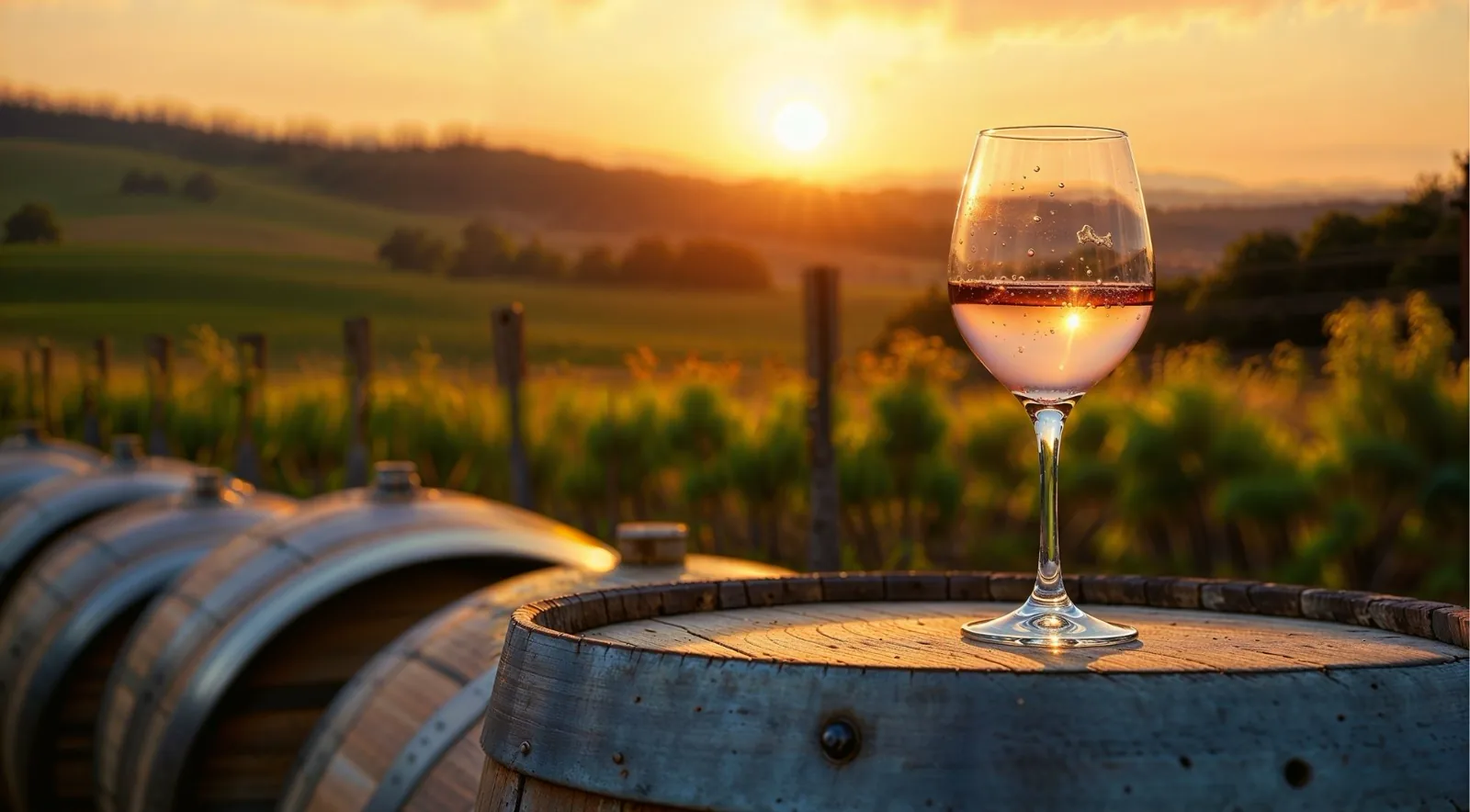
This guide splits into the part that helps you plan (Florence or Siena, what tours cost, which estates to visit) and the part that helps you appreciate what's in the glass (what makes Brunello special, and how it differs from Rosso, Chianti, and Vino Nobile). Take what you need.
Where Chianti is the everyday joy, Brunello is the cellar wine — powerful, age-worthy, and made under some of the strictest rules in Italy. It's further to reach and costs more, and for the right traveller it's entirely worth it.
Brunello di Montalcino is made from 100% Sangiovese — specifically the local Sangiovese Grosso clone the area calls "Brunello." No blending, no shortcuts: a single grape grown on a single hill, made into one of Italy's most revered reds.
What sets it apart is time. Brunello cannot be released until it has aged for years — a long spell in oak followed by further ageing in bottle before it ever reaches a shelf, with Riserva wines aged longer still. That patience is why a young Brunello already tastes structured and serious, and why great vintages can age for decades.
It's also why Brunello is expensive. This is collector territory — bottles routinely run into the high tens and beyond, and tastings often pour aged vintages you'd struggle to find elsewhere. The wine traces its modern origins to the Biondi-Santi family, who pioneered the style in the 19th century and effectively created the category. (Our Tuscan wine explained guide covers Sangiovese's other local names and the DOCG system in full.)
In short: Brunello is prestige Tuscany. A tour here is less about volume of tastings and more about depth — fewer wines, older vintages, bigger estates.
Montalcino pairs naturally with the rest of southern Tuscany. Add a stop in Montepulciano for Vino Nobile, the UNESCO Val d'Orcia for the landscape, or start your day with the easier introduction of Chianti — or browse the full regional roundup in our best wineries to visit in Tuscany guide. The widget below surfaces live availability for related Montalcino and Tuscany experiences.
All four are Sangiovese-based Tuscan reds, which causes endless confusion. The short version:
| Wine | Where | Character |
|---|---|---|
| Brunello di Montalcino | Montalcino | The flagship — powerful, long-aged, expensive |
| Rosso di Montalcino | Montalcino | "Baby Brunello" — same area, shorter ageing, more affordable, drink younger |
| Chianti Classico | Florence–Siena hills | Lighter, brighter, food-friendly, everyday |
| Vino Nobile | Montepulciano | Elegant, historic, between Chianti and Brunello in weight |
Rosso di Montalcino is the one worth knowing: made by the same Montalcino estates from younger or declassified fruit with far less ageing, it's a more approachable, affordable way to taste the region's style — often poured alongside Brunello on a visit.
And one common mix-up to settle: Montalcino is not Montepulciano. Brunello di Montalcino and Vino Nobile di Montepulciano come from two different towns south of Siena. Our Tuscany wine tours guide covers the other regions, and the Chianti guide handles the everyday Sangiovese.
Montalcino is a small hilltop town crowned by a 14th-century fortress (La Fortezza), with sweeping views over the vineyards and the Val d'Orcia beyond. The wine area unfurls around it on all sides, south of Siena, in some of Tuscany's most photographed countryside.
Nearby stands the Abbey of Sant'Antimo, a serene Romanesque church set among olive groves, a frequent and beautiful addition to a Montalcino wine day. Between the town's enoteche (wine shops), the fortress, and the estates in the hills, there's more than enough to fill a full day.
The town itself is compact, so use it for what it's good at:
One caution: do not spend the entire day in town if the objective is Brunello wineries. The town is the punctuation of a Montalcino day, not the sentence. The wine is made out in the hills.
Montalcino sits further south than Chianti, which makes it a full-day commitment — not a half-day escape.
Doable as a long day trip, and many Florence-based tours run it, but expect a full day with significant driving. Often paired with Chianti or Montepulciano. See all wine tours from Florence →
Noticeably closer, and an excellent full-day wine excursion. If you're basing in the south, Siena is the more comfortable launch point for a Brunello day. See wine tours from Siena →
The simple rule: if your itinerary already includes Siena, do Brunello from there. From Florence it is still perfectly possible, just considerably longer.
Organised tours or private drivers are the realistic options, because the estates are scattered right through the countryside rather than clustered on one road. You can taste Brunello in town without a car — the enoteche make that easy — but that is a different experience from visiting the vineyards.
Because of the distance, Brunello is often paired with Montepulciano on a single "southern Tuscany" tour, since the two towns are close to each other. Self-driving is possible, but the prestigious estates require appointments and the day is long, most visitors prefer a guide. The two standard formats:
The option for people who want Chianti and Brunello on the same day. It starts in Siena, so it suits a Siena base best; the Brunello is tasted at a wine shop in Montalcino rather than at a cellar, which makes it a lighter introduction than the winery-led Brunello days below. 4.17★ from 223 reviews, small group of up to 8, four guests needed to run.
The Brunello pilgrimage done properly, and the shorter hop if you're based in the south — three local wineries with the winemakers themselves, the hilltop town of Montalcino, the mystical Abbey of Sant'Antimo, and a family-winery lunch. 4.9 stars across 400+ reviews.
Montalcino runs from world-famous historic houses to small family producers. (See our best wineries to visit in Tuscany guide for standout estates across every region.) What to know before you choose:
Montalcino rewards contrast more than fame. Pair a large destination winery with a small family producer and you learn far more than visiting two of either.
One of the easiest complete Montalcino experiences, combining wine with hospitality and dining. Choose it for a polished first visit.
Appealing to travellers interested in unconventional architecture and biodynamic winegrowing. It provides a useful contrast with a more historic estate.
Offers a strong sense of traditional Montalcino wine culture, and a good choice for serious wine visitors.
Works well as the smaller producer in a two-winery day. Pairing a small estate with a larger destination winery gives you more perspective.
Another family-run option, and a good fit for a focused wine day around the Montalcino countryside.
These five are estates you book with directly, not packaged products, none is sold through GetYourGuide. Contact them yourself, or use a driver or private guide who can arrange the appointments.
A useful Montalcino tasting progression is:
This teaches you much more than a large flight of unrelated wines. How many wineries? Two, and the ideal Montalcino day is two wineries, a proper lunch, and a short walk through the town itself.
This is exactly where a tour operator's access pays off, getting you into estates that don't take walk-ins. A well-rated, affordable way to taste Brunello in a Montalcino castle, with lunch:
An affordable way to taste Brunello at the source if you're already in the south — an elegant medieval castle in the Brunello landscape, three local wines with snacks, and a traditional Tuscan lunch. The estate visit without the full-day transfer.
Brunello tours cost more than Chianti. The wine is prestigious, the drive is longer, and cellar-door fees are higher. 2026 ranges:
| Tour type | Price (per person) | What you get |
|---|---|---|
| Small-group full day | €150–280 | 1–2 estates, aged-Brunello tastings, usually lunch |
| Private Brunello tour | €170–370 | Your party, custom pace, premium estates |
| Luxury / sommelier-led | €400+ | Reserve & vertical tastings, exclusive access, fine lunch |
| Cellar-door tasting fee | Higher than Chianti | At the estate, separate from tour cost |
Indicative 2026 ranges across operators and platforms. Brunello days are full-day given the distance, and per-person private cost falls as your group grows. Always confirm whether lunch and tastings of aged vintages are included.
Cellar walk plus a guided tasting, often including aged Brunello.
Multiple vintages of the same wine — the connoisseur's experience.
Two southern Tuscan greats in one day.
The full-day centrepiece.
Montalcino's fortress and the Abbey of Sant'Antimo alongside tastings.
Sommelier-led, rare-vintage, exclusive-access days.
May, June, September, and October are ideal — warm, with the Val d'Orcia at its most beautiful. September's vendemmia (harvest) is the most atmospheric and busiest. July and August are hot; mornings are best. Winter is quiet and contemplative, easier for booking and access. Because the best estates have limited slots, book well ahead in peak season — especially for private and luxury tours.
It's 100% Sangiovese from the single hill town of Montalcino, made under strict rules that require years of ageing before release. The result is one of Italy's most powerful, age-worthy, and prestigious reds, capable of cellaring for decades.
Yes. Brunello is one of Italy's premium wines, with bottles commonly reaching the high tens and well beyond, and tastings often include aged vintages. Tours and cellar-door fees cost more than for Chianti, reflecting the wine's prestige.
Both come from Montalcino and are made by the same estates. Brunello is aged for years and is the flagship; Rosso di Montalcino ("baby Brunello") has much shorter ageing, is more affordable, and is meant to drink younger.
Both are Sangiovese, but Chianti (from the Florence–Siena hills) is generally lighter, brighter, and food-friendly, while Brunello (from Montalcino) is bigger, longer-aged, more structured, and considerably more expensive. See our Chianti wine tours guide for the everyday side.
About 1.5–2 hours each way, making a Brunello tour a full-day commitment. From Siena it's roughly 1 hour. The distance is why these tours are full-day and often paired with nearby Montepulciano.
For wine lovers, absolutely. Beyond world-class Brunello, the hilltop town, its fortress, the Val d'Orcia views, and the nearby Abbey of Sant'Antimo make for one of the most rewarding wine days in Tuscany.
Yes, via guided tour from Florence or Siena, which handles transport and the all-important winery appointments. Public transport to the estates is very limited, so a guided tour (or a private driver) is the practical choice.
Yes. The two towns are close, so many "southern Tuscany" tours pair Brunello di Montalcino with Vino Nobile di Montepulciano in a single full day, giving you two of Tuscany's great reds at once.
There is no single winner. Castello Banfi is a strong all-round destination; smaller producers such as Le Chiuse or Capanna can provide more intimate, wine-focused experiences. The better question is which pair you visit — one large estate and one small one teaches you the most.
Two. Add a proper lunch and a short walk through the town and that is a full, satisfying Montalcino day.
Yes if Brunello specifically matters to you. Otherwise Chianti is far more efficient from Florence. Montalcino is 1.5–2 hours each way.
Yes if wine is a major focus of your trip. Staying in or around Montalcino dramatically improves the pace — you stop watching the clock for the drive back. See where to stay in wine country.
Also worth booking
A premium Brunello-and-Montepulciano combo from Florence, and a great-value Montalcino winery tour — both with free cancellation up to 24 hours before.
A small-group day through the Val d'Orcia — Brunello tasting in Montalcino, a 3-course lunch in Pienza, and the Vino Nobile town of Montepulciano. Two of Tuscany's great reds in one trip.
A hands-on cellar visit in the Montalcino hills — vineyard, winery and cellar with a guide, then six Tuscan wines and the story of how they're made. The affordable, in-depth option if you're already in the area.
All tours and live availability via GetYourGuide. Listed prices are starting prices in USD; final price varies by date and group size.
Tell us your dates and whether you're leaving from Florence or Siena, and book the right estates in under two minutes, including the doors that don't open to walk-ins. Free cancellation up to 24 hours before.
Affiliate partner of GetYourGuide. The commission does not affect the price you pay.