Tuscany6 wine regionsPlanning guide2026 pricesUpdated 10 min read
Tuscany Wine Tours & Tastings: The Complete Guide
Sangiovese hills, Renaissance towns, and cellars that have poured the same wine for centuries. Here's how to taste your way through Tuscany, which region, which winery, what it costs, and how to plan it.
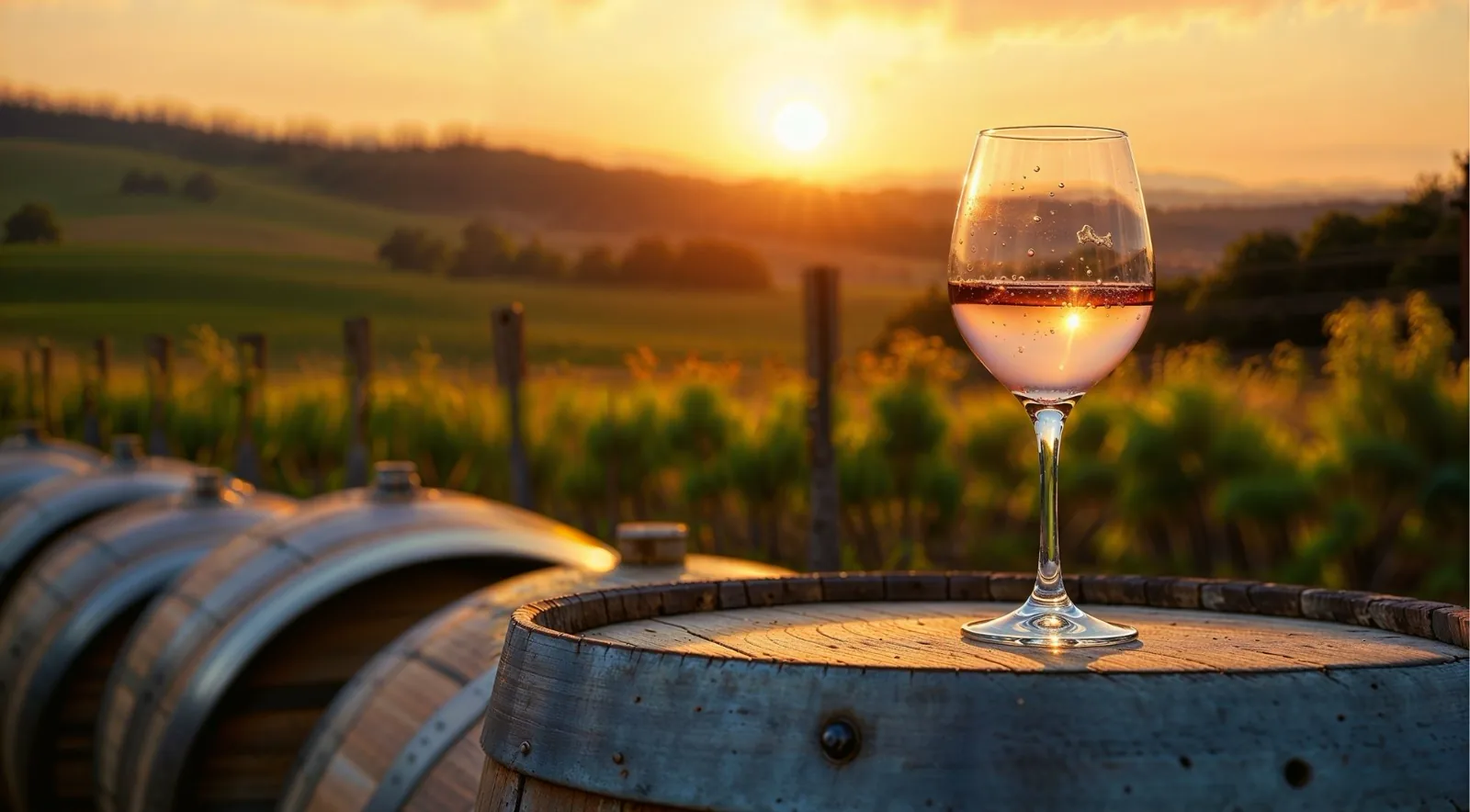
Vineyards below Montalcino — one of six Tuscan wine regions within easy reach of Florence and Siena.
If you're planning a wine trip to Tuscany, this is the place to start. Below you'll find how the regions differ, which wineries are worth the drive, what tours actually cost in 2026, where to base yourself, and the kinds of experiences on offer, from a half-day tasting to a week in the vines. Once you know which corner of Tuscany calls to you, our region guides go deeper.
Check availability — Siena: San Gimignano, Chianti & Montalcino Small-Group Tour
Pоwered by
The heartland of Italian wine
One grape — Sangiovese — and a handful of hilltop appellations have shaped the way the world drinks red. A wine tour here isn't a tasting; it's a walk through that history.
Why Tuscany for wine
Tuscan wine has a single defining identity: Sangiovese, the high-acid, cherry-and-leather red grape behind nearly every famous wine in the region. Chianti, Brunello, Vino Nobile — all are Sangiovese at heart, expressed differently by soil, altitude, and tradition. Learn that one grape and you understand most of what's in your glass here. Our Tuscan wine explained guide covers the grapes, the DOCG rules, and how to read a label in plain English.
The exception that proves the rule is the Super Tuscan — the 1970s rebellion in which producers near the coast planted Cabernet Sauvignon and Merlot, ignored the rulebook, and made some of Italy's most coveted (and expensive) wines. That tension between deep tradition and bold reinvention is exactly what makes a Tuscan wine tour interesting.
Add to that the landscape — cypress-lined ridges, walled medieval towns, family estates where the winemaker pours your glass — and you have the most complete wine-travel destination in Italy, arguably in Europe.
Other experiences you might enjoy
Worth adding to your itinerary
Once you know how the regions differ, look at the specifics. See our dedicated guides to Chianti, Brunello di Montalcino, San Gimignano's Vernaccia, and the coastal Bolgheri Super Tuscans, or start from wine tours from Florence if you haven't picked a region yet. The widget below surfaces live availability for related Tuscany wine experiences.
The wine regions, compared
Tuscany isn't one wine region but several, each with its own grape, character, and rhythm. Here's the lay of the land.
Region
Signature wine
Grape
Known for
Best tour
Chianti Classico
Chianti Classico DOCG
Sangiovese
The classic, scenic heartland between Florence and Siena
Chianti Classico is the obvious first choice — closest to Florence, endlessly photogenic, and home to the gallo nero (black rooster) seal. Montalcino rewards the committed red drinker with Brunello. Montepulciano offers similar depth with fewer crowds. San Gimignano is the white-wine palate-cleanser. Bolgheri, down on the coast, is where the Super Tuscans were born.
Choose your region in one paragraph
If you can take only one Tuscany wine tour, the real choice is usually between Chianti, Brunello in Montalcino, and Vino Nobile in Montepulciano. All three are Sangiovese-connected, but they produce very different days.
Choose Chianti if…
You are staying in Florence and you want vineyards, villages, a winery lunch, flexible half-day or full-day options and an accessible introduction. Chianti is the best all-rounder, and Greve, Panzano, Castellina, Radda and Gaiole are its principal visitor towns. Best base: Florence or Siena.
Choose Brunello if…
Wine is one of the main reasons for the trip. Montalcino is about depth — Rosso versus Brunello, vintages, ageing, premium tastings and two-producer comparisons. Give it a full day; two wineries plus lunch is the ideal shape. Best base: Siena or Montalcino.
Choose Montepulciano if…
You want a beautiful hill town as much as wine: historic underground cellars, Vino Nobile, restaurants, architecture and an easy pairing with Pienza. Particularly good for couples and mixed-interest groups. Best base: Siena or Montepulciano.
Choose San Gimignano if…
You want Tuscany's obvious white-wine stop, so your itinerary isn't an endless sequence of Sangiovese. The official town-based wine experience also makes it practical for car-free travellers. Best base: Florence or San Gimignano.
Choose Bolgheri if…
You want a different Tuscany — Cabernet, Merlot, Cabernet Franc, the Mediterranean coast and premium modern wine history. Best for repeat visitors and collectors. Best base: the coast, or Pisa.
The regions beyond the famous five
Tuscany also includes Maremma, Montecucco, Valdarno, Orcia, the Morellino di Scansano territory, and Carmignano and Cortona — the last two significant enough to earn their own row in the table above. These are excellent second-trip destinations rather than places to spend a first, short visit.
The region that suits you depends as much on where you are sleeping as on what you like to drink. Geography does most of the deciding.
From Florence Chianti
Chianti, and it isn't close. It is dramatically more efficient than the alternatives, Brunello and Montepulciano are both full-day destinations from Florence. San Gimignano is the good alternative. See wine tours from Florence →
From Siena All three
Siena is strategically excellent for all three: Chianti to the north, Montalcino to the south, Montepulciano to the southeast. See wine tours from Siena →
From Rome Montepulciano
Montepulciano and Pienza make up the most practical Tuscany wine day from Rome. Chianti is usually the wrong choice at that distance.
Without a car Three good answers
An organised Chianti tour from Florence or Siena for vineyards; Montepulciano for independent tasting, because the historic cellars are in the town itself; San Gimignano for Vernaccia in town. Compare touring with driving →
Which region for which traveller
Best for beginners: Chianti.
Best for collectors: Montalcino.
Best for couples: Montepulciano + Pienza.
Best for food: a Chianti winery lunch, or Pienza + Montepulciano.
Best serious Brunello experience: Montalcino.
Best white wine with sightseeing: San Gimignano.
Best premium Cabernet- and Merlot-based wines: Bolgheri.
Best wineries to visit
"Which winery should I visit?" is the question behind most Tuscany wine searches. It depends on the region you choose and the kind of estate you want — a grand, famous name or a tiny family cellar. Our dedicated best wineries to visit in Tuscany guide lists specific estates region by region; here's the short version. A few things to know:
Famous estates need appointments. Tuscany's renowned producers almost always require booking ahead, sometimes weeks in peak season. They are not walk-in cellar doors.
Some legendary wines aren't open to the public at all. The most cult Super Tuscan estates don't offer general tastings. Part of a guide's value is knowing which doors actually open.
Small often beats famous. A family-run estate where the owner pours your glass frequently delivers a warmer, more memorable visit than a marquee name.
Cellar-door tasting fees at well-known estates typically run $30–$90+ per person, separate from any tour cost, which matters when you compare a guided tour's all-in price.
A good tour does the hard part: matching you to estates that suit your taste, securing the appointments, and getting you through doors that don't take walk-ins. The pick below is one of the few GetYourGuide listings that puts a Chianti tasting and Brunello di Montalcino into a single day.
Brunello and Chianti in one day / GetYourGuide
Siena: San Gimignano, Chianti & Montalcino Small-Group Tour
From $157·4.17★ (223 reviews) ·11 hours·Free cancel · 24h
One of the few GetYourGuide listings that puts a Chianti tasting and Brunello di Montalcino into the same day, with 4.17★ from 223 verified reviews. A small group of up to 8 leaves central Siena for San Gimignano, a tasting at a farm winery in Chianti (lunch is optional) and Montalcino, where the Brunello is poured at a wine shop rather than a cellar. It needs four guests to run, and it starts in Siena, so from Florence allow time to get there.
Wine tasting at a farm winery in the Chianti region
Brunello di Montalcino tasted at a wine shop in town
San Gimignano with free time, then Montalcino and its fortress
Small-group minivan from Siena, typical lunch optional
A "wine tour" in Tuscany can mean a dozen different days. The main formats:
Winery tours & tastings
A vineyard or cellar walk plus a seated tasting of several wines — the classic format.
Food-and-wine tours
Tastings paired with a winery lunch or multi-course meal; the most popular full-day format.
Wine + cheese / olive oil
Tuscany is as famous for pecorino and extra-virgin olive oil as for wine, and many estates pour all three. An excellent first Tuscan agricultural experience — it reminds you that vineyards exist inside mixed farming landscapes.
Cooking-class combos
Make pasta or tiramisù at an estate, then eat it with the wines. Ideal for food-first travellers — one winery plus one cooking class is usually enough for a full day.
Small-group tours
6–8 guests, the best-value sociable option, the sweet spot for most travellers. Choose two contrasting producers and keep the route inside a single wine region.
Private tours
Your party only, custom pace and stops; the easiest format for families and celebrations. Also the right call when you have specific wineries in mind, a group to move, a special occasion, or a collector's shopping list.
A more active or open-air way to travel between estates and through the vines.
Multi-day wine trips
Several regions over two to five days, often with countryside stays and vineyard dinners.
Vineyard walk + tasting
Prioritise this if you care about soil, elevation, grape growing, harvest and why one site tastes different from another. Otherwise a cellar-and-tasting format may be enough, and vineyard walks are not always included, so check the itinerary.
Harvest experience
Book this only if the experience explicitly includes harvest activity. September does not automatically mean visitors can walk into active production areas.
Premium & vertical tastings
Choose these after you understand the basics. Comparing multiple vintages of one wine can be far more educational than tasting six unrelated labels.
Winery picnic
Perfect for couples, or repeat visitors who have already toured cellars elsewhere.
Two contrasting ways into it — the value small-group benchmark from Florence, and an affordable cellar tour in the Vino Nobile town of Montepulciano if you're heading south.
Best-value small group / GetYourGuide
From Florence: Small Group Wine Tasting Tour to Tuscany
From $100·4.9★ (4,600+ reviews) ·4.5 hours·Free cancel · 24h
The highest-rated of the tours we compare in this tier — 4.91 stars across 4,600+ reviews. Two boutique family wineries in Chianti Classico, seated tastings, food pairings, central Florence pickup. Capped at 8 guests in an air-conditioned minivan.
Six wines and olive oils with cheese, salami and bruschetta
From $38·4.8★ (600+ reviews) ·Cellar tour + tasting·Free cancel · 24h
An affordable, atmospheric way to taste Vino Nobile at the source — down into a historic cellar beneath the Renaissance town, with the rows of oak barrels and a tasting paired with bruschetta and estate olive oil. Ideal if you're already heading to southern Tuscany.
Taste the fine wines of Montepulciano in the cellar
See the rows of barrels made from quality woods
Pair your wines with bruschetta and extra-virgin olive oil
Most visitors don't stay in the vineyards, they base themselves in a town and take day trips out. Our dedicated where to stay in Tuscany wine country guide covers specific agriturismi, wine resorts, and estates you can sleep at; here's the short version.
Sits nearer Chianti, Montalcino, and Montepulciano — a strong base for the southern regions.
San Gimignano & Montepulciano Wake in the vines
Suit travellers who want to step out of the door surrounded by vineyards.
A countryside agriturismo Slow and immersive
The choice for a slower, immersive few days in the wine country itself — sleep on the estate, wake in the vineyard.
For a focused trip, base in Florence and go out by guided tour. For a wine-led holiday, stay in the countryside and let the days unwind.
What it costs in 2026
Market ranges, so you know what's fair before booking.
Experience
Price (per person)
What you get
Small-group day tour
$90–180
2 wineries, tastings, usually lunch
Large-group / coach
$55–90
1–2 wineries, lighter tasting
Private day tour
$150–350
Your party, custom pace; per-head cost falls with size
Luxury / sommelier-led
$400+
Reserve wines, estate access, fine lunch, chauffeured
Multi-day wine trip
$500–2,000+
Several regions over 2–5 days, often with stays
Cellar-door tasting fee
$30–90+
At the winery, separate from tour cost
Indicative 2026 ranges across operators and platforms. Private per-person costs drop sharply as the group grows. Always confirm whether lunch and tasting fees are included — that's where quoted prices diverge most.
How long do you need?
A day
Enough for a real taste — one region, two wineries, a vineyard lunch. Most people start here.
Two to three days
Lets you contrast regions: Chianti one day, Montalcino or Montepulciano the next.
Four to five days
The sweet spot for a dedicated wine holiday — multiple regions at a relaxed pace, with countryside stays.
Put as regions rather than days: one day is Chianti. Three days is Chianti plus Montalcino plus Montepulciano. Five to seven days is enough for a genuine multi-region wine trip.
You don't need a car if you tour with a guide; you do if you self-drive, in which case factor in a designated non-drinking driver and pre-booked winery appointments.
How to shape the days
How many wineries?
Two. Three can work with a driver. Four almost never improves the experience — you stop tasting and start processing.
The ideal first itinerary
Florence → Chianti → Siena → Montalcino → Pienza → Montepulciano. Add San Gimignano if you want Vernaccia. Add Bolgheri only if you have enough time for the western detour.
A one-week wine itinerary
Day
Where
Day 1
Florence
Day 2
Chianti
Day 3
Siena
Day 4
Montalcino
Day 5
Pienza
Day 6
Montepulciano
Day 7
Relax, or add San Gimignano
Don't do all three in one day
Combination tours exist, but they trade depth for breadth. If your goal is serious wine tasting, one region per day is better. You can do Chianti and Brunello in the same day — you just shouldn't, if wine depth is the point.
Whichever region you pick, the shape that works is the same: choose one region, visit two producers, and add one meaningful experience beyond the tasting itself — a lunch, a vineyard walk, olive oil, or a vertical. That is a much better day than maximising the number of glasses.
So which order?
Do not attempt every denomination. Make your first Tuscany wine day Chianti. Make the second Montalcino if you love wine, or Montepulciano if you want wine plus sightseeing. For a first trip, Chianti → Montalcino → Montepulciano already shows you remarkable variety; come back for San Gimignano, Bolgheri and the smaller regions.
The point is not to declare a winner. It is to choose the region — and the format — that match the day you actually want.
The best time to go
May, June, September, and October are ideal — warm but comfortable, with vineyards lush or turning gold. September brings the vendemmia (harvest), the most atmospheric time to visit and also the busiest. July and August are hot and crowded, though tours run year-round and mornings stay pleasant. Winter is quiet and cellar-cozy, with lower prices and easier booking. In peak season, book 2–4 weeks ahead — small-group and private tours go first.
The harvest runs longer than a single week, and September is busier than its shoulder-season reputation suggests. Our best time to visit Tuscany for wine guide sets the vendemmia calendar against the Florence station’s 1991–2020 rainfall normals and Tuscany’s monthly visitor numbers, month by month.
Frequently asked — Tuscany wine tours
Is Tuscany good for wine tasting?
It's one of the best regions in the world for it. Tuscany combines world-famous wines (Chianti, Brunello, Vino Nobile, Super Tuscans), centuries-old family estates, and short distances between regions, all set in iconic countryside — making it exceptionally rewarding and easy for visitors.
Which part of Tuscany is best for wine?
Chianti is the most popular and accessible, between Florence and Siena. For prestige reds, Montalcino (Brunello) leads; for elegance with fewer crowds, Montepulciano; for whites, San Gimignano; for bold modern wines, the Bolgheri coast. The "best" depends on what you like to drink — see our Chianti guide for the most popular starting point, or our best wineries in Tuscany guide for every region compared.
How many days do you need for Tuscany wine country?
One day gives you a genuine taste of a single region. Two to three days lets you compare regions. Four to five is ideal for a full wine-focused holiday with countryside stays and time to enjoy the towns.
Do you need a car in Tuscany wine country?
Not if you take guided tours, which handle transport and let everyone taste freely. A car gives independence but means a designated sober driver, advance winery appointments, and rural navigation. Many visitors base in Florence or Siena and tour out by minivan.
How much does a Tuscany wine tour cost?
Small-group day tours typically run $90–$180 per person, large-group tours $55–$90, private tours $150–$350+, and luxury or multi-day experiences higher. Cellar-door tasting fees ($30–$90+) may apply separately when not included in a tour.
What's the difference between Chianti and Brunello?
Both are Sangiovese-based reds. Chianti is generally lighter, fruitier, and made across a large area between Florence and Siena. Brunello, from the single town of Montalcino, is bigger, more structured, longer-aged, and more expensive — Tuscany's flagship collector's wine.
Can you visit wineries without booking?
Rarely at the famous estates, which require appointments, sometimes weeks ahead in peak season. Some smaller wineries take walk-ins, but a guided tour or advance booking is the reliable way in, and the only way into many of the best cellars.
What wine is Tuscany famous for?
Especially Sangiovese-based wines: Chianti Classico, Brunello di Montalcino and Vino Nobile di Montepulciano. The coastal Super Tuscans, built on Cabernet and Merlot, are the famous exception.
Is Tuscany only red wine?
No. Vernaccia di San Gimignano is the most obvious white-wine destination, and one to build into an itinerary so the whole trip isn't an unbroken run of Sangiovese.
What is the best vineyard tour in Tuscany?
For most visitors, a small-group two-winery Chianti tour. It gives you producer comparison, a cellar visit and usually lunch, without needing a car or a full week.
Is Brunello better than Chianti?
Not inherently. Brunello is more specialised, longer-aged and generally requires a full day to visit properly. Chianti is the better first wine day for most people; Brunello is the better second one if wine is the reason you came.
Is Montepulciano worth visiting for wine?
Absolutely, especially when you also want a major historic town. The underground cellars sit in the historic centre, which makes it one of the few Tuscan wine towns that works well without a car. See our Montepulciano wine guide.
Is Bolgheri worth adding?
Yes for premium wine lovers or coastal itineraries. It shows a completely different Tuscany — Cabernet, Merlot and Cabernet Franc rather than Sangiovese. See our Bolgheri and Super Tuscan guide.
Can I do Chianti and Brunello in the same day?
You can, but you should not if wine depth matters. Combination tours trade depth for breadth; one region per day is the better shape for serious tasting.
Are vineyard walks always included?
No. Plenty of tours are cellar-and-tasting only. If walking the vines matters to you, check the itinerary explicitly rather than assuming.
Is lunch worth adding?
Yes, particularly on a full-day tour. Tuscan wine is built around food, and pecorino, cured meats, pasta, roast dishes and olive oil make the wine markedly easier to interpret. See which tours actually feed you.
Go deeper
Wine tours from Florence Pick a region
Five regions within a day's drive, compared — drive times, prices, and how to choose. Read the Florence guide →
Chianti wine tours The classic day
Florence vs Siena departures, the wine-route towns, and what Chianti Classico actually is. Read the Chianti guide →
What you get for your money Tier by tier
What a Chianti day actually includes at $55, $105 and $650, from operator itineraries and verified reviews. Read the analysis →
Val d'Orcia wine tours Scenery first, wine second
Tuscany’s postcard valley — UNESCO since 2004, a small appellation of its own, and a hard look at which of its tours have any review history. Read the Val d'Orcia guide →
All tours and live availability via GetYourGuide. Listed prices are starting prices in USD; final price varies by date and group size.
Pick your tour
Tell us your dates and which region draws you
A half-day taste or a week in the vines — from a $55 Chianti coach to a $157 full day taking in Brunello country. Every tour bookable in under two minutes with free cancellation up to 24 hours before.
Free cancellation up to 24 hours before every tour
Mobile voucher, instant confirmation, no printing needed