Olive oilFarms & millsWine + oil tours2026Updated 8 min read
Olive Oil Tasting in Tuscany: Best Farms, Mills and Wine + Olive Oil Tours
A working mill in autumn, a farm that makes both wine and oil the rest of the year, and the new oil on warm bread in November. Where to go, how to taste, and which oils to compare.
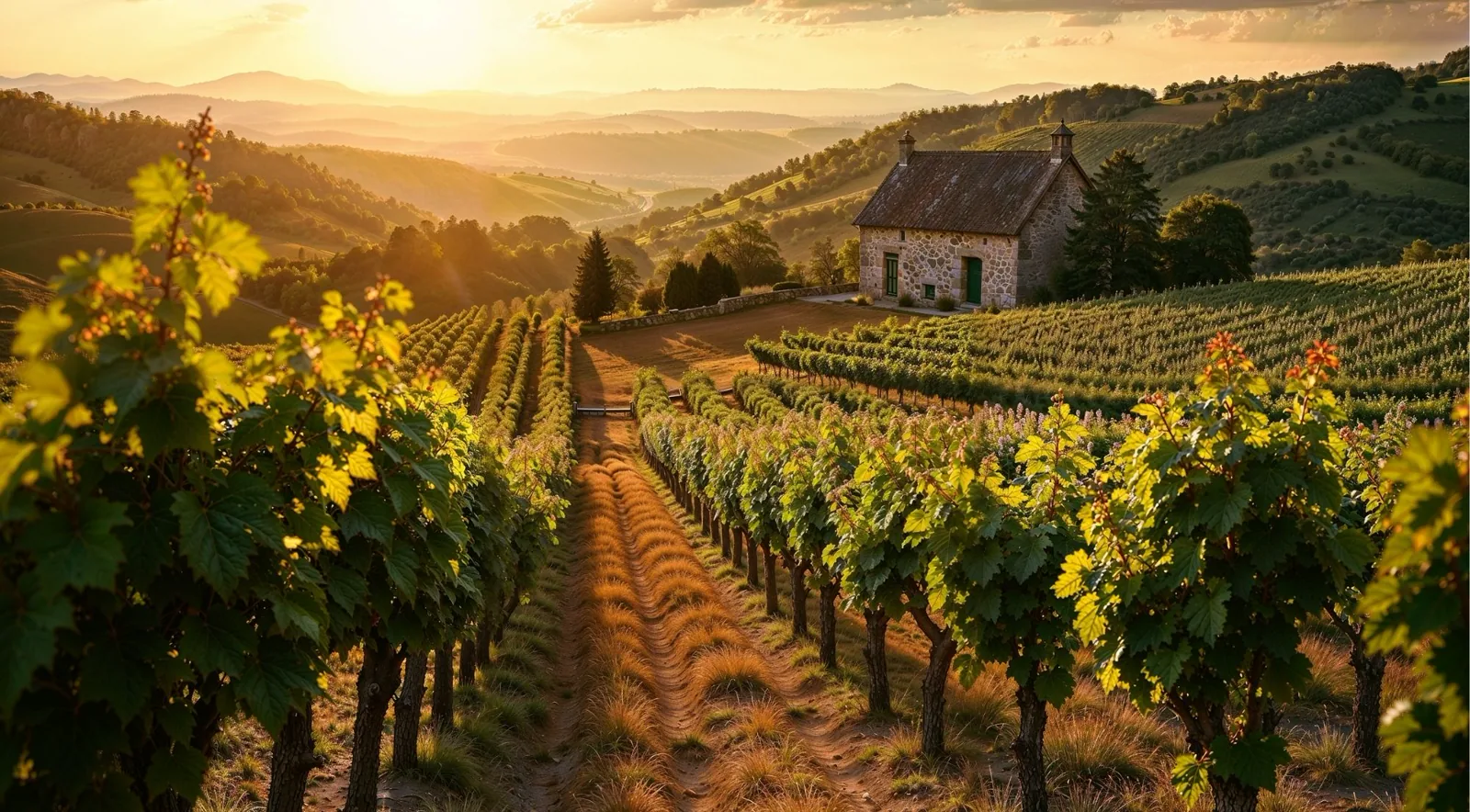
On a working farm, the oil, the wine and the lunch often come from the same land.
Olive oil tasting is one of the most underrated food experiences in Tuscany. A proper tasting of extra virgin olive oil (EVOO) teaches you to recognise fruitiness, bitterness, pungency and freshness, to tell olive varieties apart, and to spot the difference that careful production makes.
For most first-time visitors, the choice is between a dedicated tasting at a farm or mill and a wine and olive oil experience. From Florence, the Great Chianti Wine and Olive Oil Trail with Lunch does both in one day, from $100. Our guide to wine tours with lunch compares wine and olive oil tours with the other food-and-wine formats.
If you are in Tuscany in autumn, visit a working olive mill, and choose November if you can, when the new oil is being pressed. At other times of year, choose a farm where the olives, the oil and the wine all come from the estate.
Start here
The best olive oil experiences in Tuscany
Six places to taste, from the hills around Florence to the countryside near Pisa and Volterra. Most of them are booked directly with the farm or mill, so we link the producer's own site; where GetYourGuide or Viator sells something close, we say so.
Two bookable mill visits fill the gaps in the south. The Frantoio di Montalcino mill tour and tasting on Viator is a 1.5-hour visit to the production area with a guided tasting, from $80 and rated 4.97★ from 143 reviews. Near Montepulciano, the Sarteano olive oil mill tour and tasting of Tuscan products is rated 4.88★ from 43 reviews, a short record so far, so read the recent ones. Ratings as shown on GetYourGuide and Viator, checked October 2026.
Other experiences you might enjoy
Worth adding to your itinerary
Olive groves run through most of Tuscany's wine country: the Chianti hills between Florence and Siena, Fiesole above Florence, Montalcino and the Val d'Orcia, Montepulciano and the Valdichiana, and the hills around Volterra. The widget below shows live availability for wine and olive oil tastings, farm visits and food tours in the region.
What makes Tuscan olive oil different?
Tuscany grows many olive varieties, among them:
Frantoio;
Leccino;
Moraiolo;
Maurino;
Pendolino.
High-quality Tuscan oils can taste intensely grassy, herbal, artichoke-like, bitter and peppery. That peppery catch at the back of the throat can be a good sign, since it comes with fresh, carefully made oil.
Toscano IGP and the DOP oils
Tuscany has one regional protected oil and four protected designations of origin. Toscano IGP covers the whole region, and the olives must be grown, pressed and bottled in Tuscany. The four DOP (PDO) oils each come from a smaller area:
Chianti Classico DOP, from the same zone as Chianti Classico wine, between Florence and Siena;
Terre di Siena DOP, from the hills of the Siena province outside the Chianti Classico zone;
Lucca DOP, from the Lucca area, the Versilia and the Garfagnana;
Seggiano DOP, from the slopes of Monte Amiata, made mainly from the local Olivastra Seggianese olive.
They are useful to compare side by side, because Tuscan olive oil is not one single flavour.
How to taste olive oil
1Smell the oil
Warm the glass in your hand first, then breathe in.
2Take a small sip
Just enough to coat your tongue.
3Spread it around your mouth
Draw in a little air as you do.
4Notice the bitterness
On the tongue, as you would with a strong coffee.
5Notice the pungency in your throat
The peppery catch as you swallow.
Taste each oil on its own before you add any bread.
Fettunta: new oil on toasted bread
Fresh oil poured over toasted Tuscan bread, known as fettunta, is one of the great simple foods of autumn. During the new-oil season, it may stay with you longer than a complicated tasting menu. Our Tuscan wine and food pairing guide covers what to drink with it.
Best olive oil tasting near Florence
Fattoria San Michele a Torri is a particularly practical choice for a complete visit, because the wine and the olive oil are made on the same working farm, an organic Chianti estate close to Florence. Book directly on the farm's website.
A farm gives you the scenery, the grove and the farming, and often food and wine too. A frantoio, the olive mill, shows you the milling process and gives you a more technical education in the oil.
For beginners, choose a farm. For serious food travellers, choose a mill, such as the Frantoio di Montalcino tour.
From $80·4.97★ (143 reviews) ·1.5 hours·Free cancellation
A short history of the mill, a look at the production area and a guided professional tasting, with warm Tuscan bread and local specialities and advice on how to choose, use and store good oil. The mill is in the countryside about seven minutes' drive from Montalcino, and transport is not included, so pair it with a Brunello day.
Free cancellation, see the listing for the cut-off
The olive harvest and olio nuovo
The harvest generally gets going from October into November, and sometimes later, depending on the area and the producer. November is the month we would choose for a trip planned around olive oil. Our Tuscany in November guide covers the rest of the month, and wine tours in October and November covers the tastings.
Olio nuovo
Newly pressed oil, olio nuovo, can be startlingly vivid: green, bitter, peppery and aromatic. It is a seasonal experience to look out for, since it only tastes like this in the weeks after pressing. At Diacceroni, an organic farm near Peccioli, the farm has offered harvest-and-pressing days between October and December on request, ending with a tasting; ask the farm what it runs this year.
Wine and olive oil tours
A combined wine and olive oil day is the best first format for most visitors. Look for a farm that produces both, not a tasting where the olive oil only appears as a condiment on the table.
From $100·4.84★ (298 reviews) ·Day trip from Florence·Free cancel · 24h
Three Chianti wineries and a guided visit to an olive oil mill, with lunch and transport from Florence. The oil gets a stop of its own, at a working olive mill. In 2026 it runs every day until 15 November, then on Tuesdays, Thursdays and Saturdays.
Protect your oil from light, heat and oxygen: keep the bottle closed, in a cool dark cupboard. Do not keep your best bottle beside a sunny stove.
Frequently asked — olive oil tasting in Tuscany
Is olive oil tasting in Tuscany worth it?
Yes, particularly during the harvest, when you can taste the new oil within days of pressing. Even out of season, a guided tasting changes how you buy and use olive oil at home.
What is the best month for olive oil tasting in Tuscany?
November. The harvest generally runs from October into November, and sometimes later, so November gives you the best chance of tasting olio nuovo at a working mill.
Can children join an olive oil tasting?
Farm and harvest experiences are often family-friendly, with the groves to walk in and the olives to pick. Check the age policy with the farm or on the tour listing before you book.
Can I combine wine and olive oil tasting in Tuscany?
Yes. It is one of Tuscany's most natural farm experiences, since many estates make both. From Florence, the Great Chianti Wine and Olive Oil Trail visits three wineries and an olive oil mill in one day.
Which Tuscan olive oils have a protected designation?
Toscano IGP covers the whole region. The four DOP oils are Chianti Classico, Terre di Siena, Lucca and Seggiano, each from its own smaller area.
Our recommendation
If you are in Tuscany in autumn, visit a working olive mill. At other times, choose a farm where the olives, the oil and the wine all come from the estate.
Taste the oil on its own first. Then put it on warm bread and stop taking notes.